
Why Operations Are Shifting Right Now
Warehouses are hitting a ceiling. An amr robot moves work to the worker, not the other way around, and that flips the old layout on its head. Picture a cross-dock at 6 a.m., pallets stacking up, dock doors backed up, and crews waiting for a lane to open. Reported throughput can drop 12–18% when a single zone stalls, and downtime ripples across shifts. The causes seem small—unplanned replen, a choke point, a wrong pick—yet they add up fast. So teams lean on conveyors and fixed AGVs, hoping predictability will fix it. But fixed systems lock your flow. They struggle with demand spikes and SKU churn. They bend the process to the machine, not the other way around (and the labor notices).
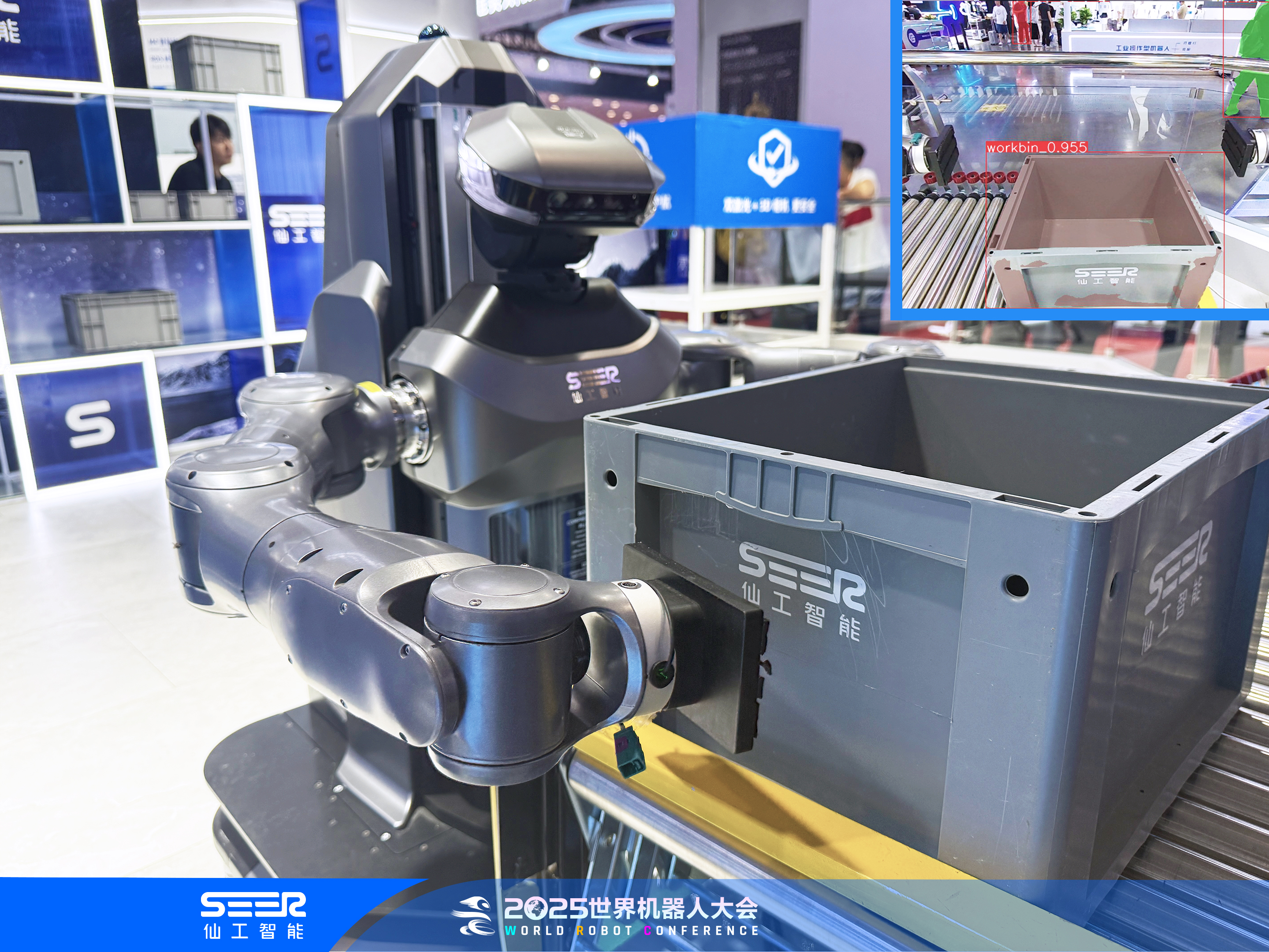
Here’s the hard question: how do you add speed without adding fragility? Modern fleets promise flexible routing, live tasking, and safer aisles. Still, not all upgrades remove risk. WMS interfaces, charging logic, and floor rules matter. The real test is whether your system adapts mid-shift. Let’s break down where the old tools fall short—then map how to choose better.
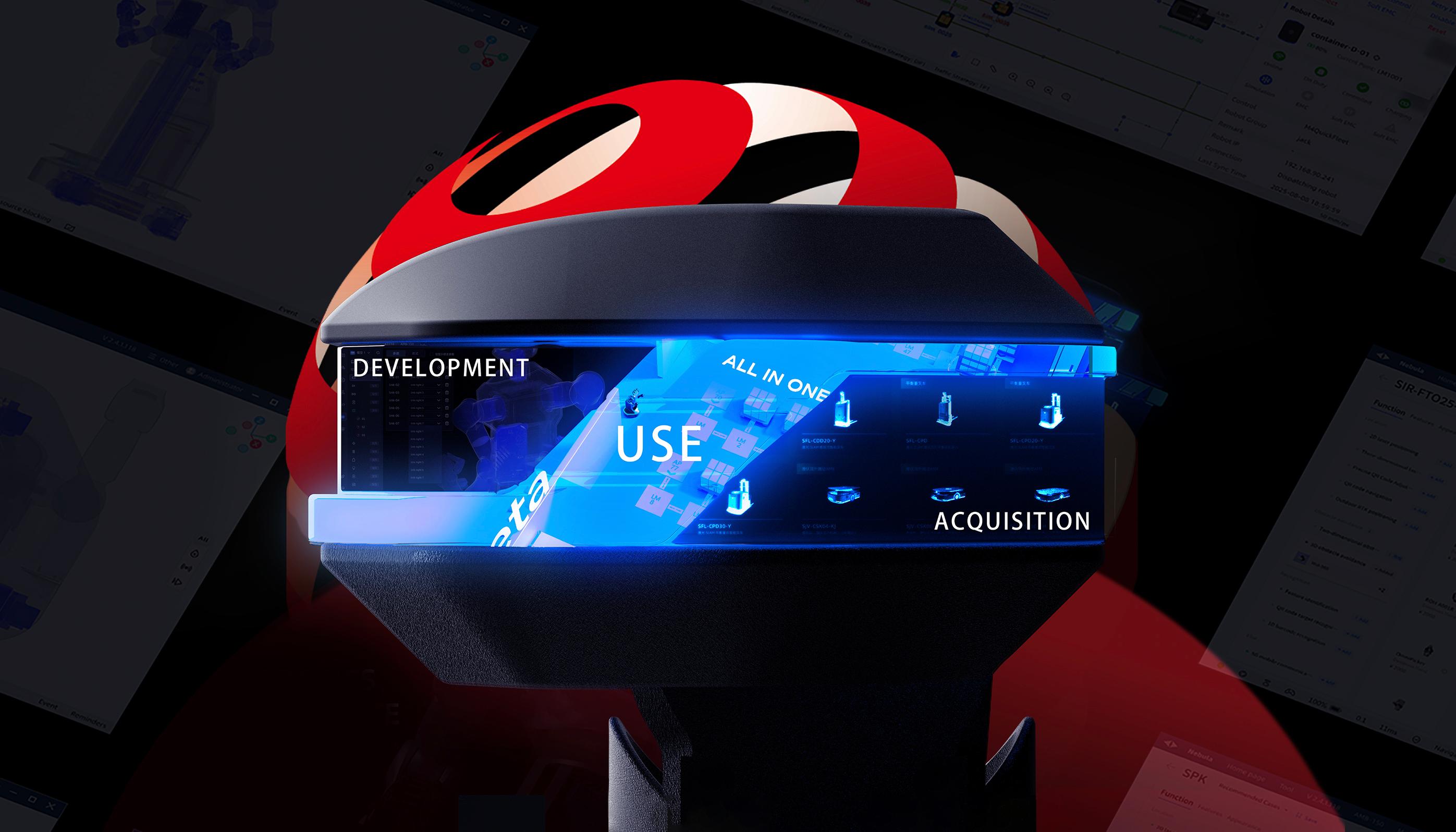
The Deeper Layer: Where Traditional Flow Breaks Under Real Change
What slows legacy systems?
In many sites, automation in warehousing starts with belts, fixed paths, and a ruleset that rarely changes. It looks clean on paper. On the floor, change is the default. A static conveyor cannot reroute when a bay fills. A basic AGV that follows tape cannot pass a stalled cart. The control stack is rigid: PLC logic here, WMS handoff there, and little room in between. When demand swings, you get queues, not agility. Look, it’s simpler than you think: if the path is fixed, the process becomes brittle. And then small events—like a scanner misread—become big delays. Technical debt shows up as overtime.
Hidden pain points? They live in the seams. Map drift makes SLAM updates a weekend project. Battery swaps chew up minutes unless the battery management system and power converters are tuned to the route. Without real fleet orchestration, bots cluster in hot zones and starve cold zones. Edge cases multiply: cross-aisle traffic, shared pick faces, and ad hoc put-walls. Even integration can bite you; a WMS that batches poorly forces robots to shuttle partials. The cure is not “more bots.” It’s better timing, better data, and edge computing nodes near the floor—so decisions happen where the carts actually move.
From Fixed Paths to Live Decisions: How the Next Wave Works
What’s Next
The next chapter in automation in warehousing is about live decisions, not pre-baked routes. Semi-formal view, plain impact: AMRs now pair LiDAR with vision to adjust on the fly. They weigh aisle width, traffic, and job priority in milliseconds. New fleet engines apply cost-based routing. They score each task by distance, battery state, and SLA, then assign it to the right unit. This is different from simple queueing. It is dynamic optimization with guardrails. Edge computing nodes cut round-trips to the cloud and keep QoS steady when Wi‑Fi dips—funny how that works, right? The result is smoother merges, fewer deadlocks, and safer co-botics.
Under the hood, principles are clear. 1) Local perception beats global hope: better LiDAR and robust SLAM reduce map maintenance. 2) Microservices APIs decouple WMS events from robot tasks, so a late ASN does not stall the aisle. 3) Energy is a constraint, not an afterthought: smart charging staggers loads, guided by the BMS, not by guesswork. And 4) Human-in-the-loop remains key; exceptions route to a simple console, so a lead can override with one click. Compared with yesterday’s fixed lines, you trade rigidity for resilience. You do more with the same space—sometimes with less lighting and less steel.
Three Metrics to Guide Your Choice
Advisory close, straight to the point. If you’re weighing systems, use three metrics you can measure on day one (and track by week):
1) Adaptability Under Change: Run a live test with a layout tweak and a 20% order mix shift. Count how many minutes until stable flow returns. Aim for sub‑15 minutes with coordinated fleet orchestration and clean API events.
2) End‑to‑End Latency: Time from pick release in the WMS to arrival at pack. Break it into perception, assign, travel, and handoff. Each slice should have a target. Under five seconds for assign, under 90 seconds median travel for mid‑aisle runs—your site may vary.
3) Energy and Uptime Integrity: Track MTBF per robot and charge cycle impact. Smart power converters and scheduled top‑ups should lift available hours per shift by 8–12%. If not, investigate dwell, path bias, and charge zoning—funny how the small things decide the big ones.
These numbers force clarity. They surface brittle spots without blame. They also help you compare vendors on outcomes, not demos. Keep the focus on flow, exception handling, and safe throughput over time. And if you want a reference point or a sanity check on metrics for AMR fleets and integration patterns, you can learn more at SEER Robotics.