
Start with what you need
You’re after mulch that actually solves a problem — keeps moisture in, weeds down, and survives your season. Pick a maker who listens. If you grow commercially or run trial beds you’ll want to ask about roll widths, thickness, edge treatments and UV stabiliser options before you buy. Farmers I work with often start by comparing product specs and handling samples alongside agriculture plastic film, so they can see how film behaves in their soil and weather rather than guessing from a datasheet.
Why customization matters to you
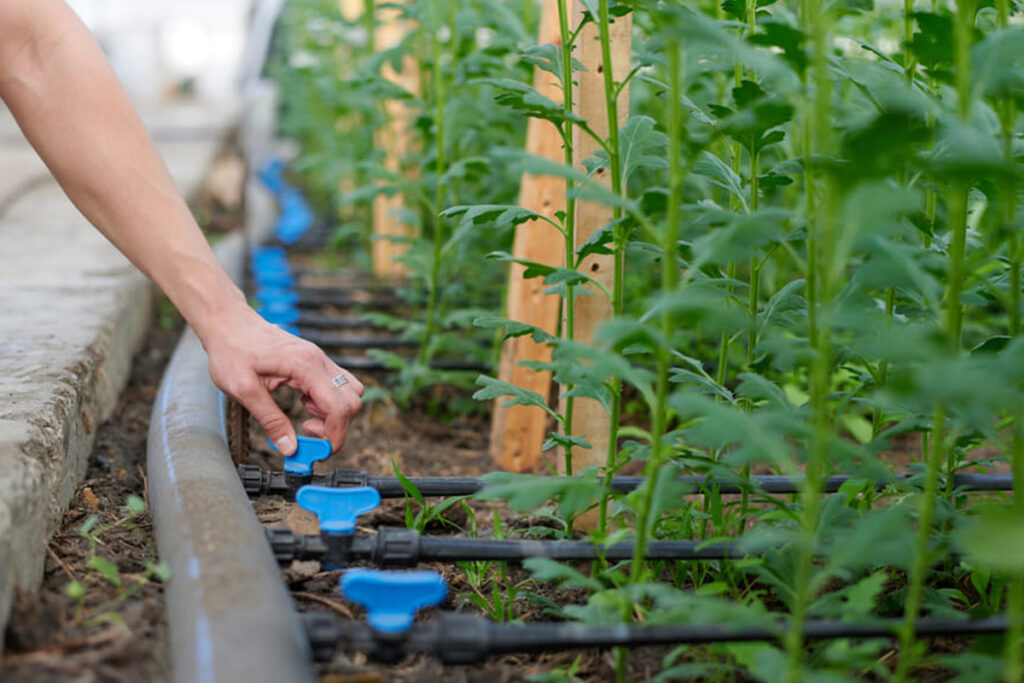
One-size-fits-all rarely fits a paddock. Wider rolls reduce joins and installation time on broad-acre plantings; perforated or embossed films suit drip irrigation and help root-zone aeration. Tell a manufacturer about your planting density, machinery, and whether you need coloured film for soil heat management. A good supplier will propose options tied to your operation, not a canned product list.
Material choices — practical differences
Polyethylene dominates because it’s durable and cheap, but formulation tweaks change performance. Thicker LDPE lasts longer; co-extruded blends add tear resistance; black or white-on-black versions alter soil temperature. If you’re after lower environmental impact, discuss degradable polymers and compostable blends — they behave differently in the field. Ask for third-party lab data on tensile strength, UV life and elongation so you know what will actually survive your season.
Common mistakes growers make
Buy cheap without testing, then blame the film when problems arise. Not matching roll width to bed layout causes unnecessary seams and failures. Installing without correct soil prep — clods, high stones, or wet beds — leads to punctures. Overlooking edge finishing or anchor systems makes film balloon in wind. Test a small run under your usual conditions before committing to bulk orders.
Real-world experience and biodegradables
I’ve advised growers and supply teams through seasons and trials, so I know lab numbers don’t always match a paddock. Field trials in California’s Central Valley have been repeatedly cited for showing how biodegradable options break down under warm, irrigated conditions — useful context if you’re weighing end-of-season removal versus in-field degradation. If you’re considering those options, read product studies and look for independent compostability or disintegration reports tied to your climate and soil type; also review how the film will interact with your equipment and crop schedule. For a direct look at product types, consider the documented performance of biodegradable mulch in warm-season trials and supplier trial notes.
Support, warranties and service
Service is as important as the film itself. Choose manufacturers who offer installation guidance, replacement policies for manufacturing defects, and clear instructions for storage and handling. Ask for an installation checklist and advice on machine settings if you use mulch-laying gear. Good suppliers will help you troubleshoot tear points and recommend edge anchoring or tape to match local wind conditions.
Quick buyer’s checklist
Before you order: confirm roll widths and lengths, gauge (micron), UV and tensile specs, compatibility with irrigation, sample a small quantity, request third-party test reports, and clarify return or defect policies. Match the film choice to crop lifespan — short-season vegetables often work fine with thinner or biodegradable options; perennial beds need heavier-duty film.
Wrap-up — practical value
If you want mulches that actually perform, pick partners who tune materials and service to your operation, back claims with lab and field data, and stand by installations. That blend of practical advice and product depth is what growers keep coming back to, and it’s the kind of steady support you’ll find through HGDN.