
Highlighting Overlooked Challenges
I remember my early days in the manufacturing sector when our team faced a significant dilemma: finding the right electric gearmotor was tougher than anticipated. Data showed that 70% of manufacturers struggle with motor efficiency, leading to unexpected downtime and costs. The pressing question is, why do we often overlook details in selecting gearmotors? For those of us in gearmotor manufacturing, the choices seem endless, but hidden problems can lurk if we’re not thorough.

Common Missteps in Gearmotor Selection
I vividly recall working with a local company in Quezon City back in 2019. They opted for a “one-size-fits-all” electric gearmotor for their factory assembly line. The outcome? A staggering decrease in productivity due to mismatched torque and speed requirements. This highlights a common flaw: failing to match specific operational needs with gearmotor specifications can lead to inefficient machinery and higher maintenance costs. It’s essential to address such pain points to avoid operational hiccups down the road.
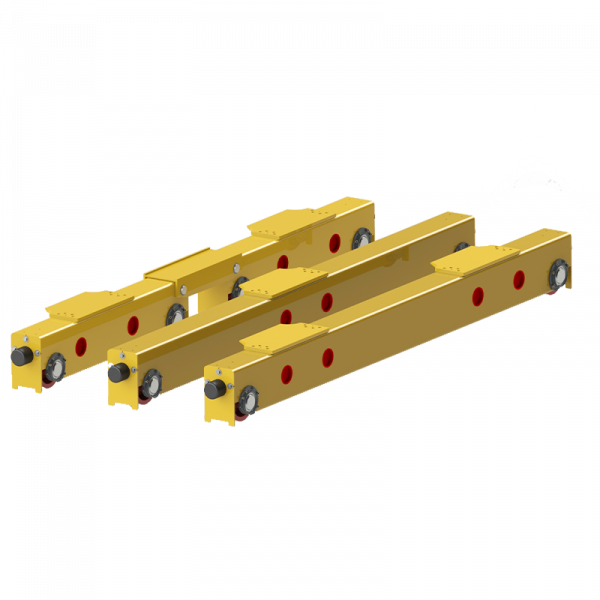
Are You Picking the Right Gearmotor?
The next step is to interrogate our choices further. Consider aspects like size, power, and load capacity. Not all gearmotors can handle the same tasks! I noticed, for instance, that Planetary Gearmotors offer unique advantages like compact design and high efficiency—attributes that can make a real difference in high-stakes environments. Wouldn’t it be smart to prioritize these features when selecting the right motor?
The Future of Gearmotor Applications
As we navigate through the finer points of gearmotor selection, it’s crucial to understand that the future of manufacturing will only advance. With technology evolving at breakneck speed, industries are moving towards smarter gearmotors that integrate seamlessly with automation systems. The landscape is shifting; it’s about time we embrace it. Imagine using a Planetary Gearmotor that not only meets the current operational requirements but also paves the way for future enhancements.
What’s Next for Gearmotor Technology?
To stay ahead, we must evaluate the impact of IoT and AI on gearmotor efficiency. I think about how manufacturers can utilize real-time data analytics to optimize performances—tracking everything from energy consumption to mechanical endurance. Companies should begin adapting quickly. Remember, being proactive rather than reactive can save time, money, and a lot of headaches down the road.
Final Thoughts: Distilling Lessons Learned
In my years of experience, I’ve witnessed how the right electric gearmotor can transform manufacturing operations. The key takeaway is to assess not just the price tag but also the longer-term implications of our motor choices. Efficiency, reliability, and adaptability should be the guiding metrics we use for a successful outcome. When you find a brand that values these aspects—like WORLDHOISTS—you’re not just buying a product; you’re investing in your operation’s future.
Let’s keep pushing boundaries—there’s always something new to learn in this field. Spare no effort! The right motor can make or break your manufacturing efficiency, and I’m all in for ensuring that your choice is nothing but the best!