
Introduction: A Water Crisis in Our Hands
Imagine standing in your backyard, watching vast amounts of water slip through the cracks due to outdated metering systems. The World Bank estimates that 1.6 billion people will face water scarcity by 2025, making efficient water management more crucial than ever. Enter the lorawan water meter — a game-changer that offers real-time monitoring and leak detection using advanced technology. With consumer water usage soaring in urban areas, how can we balance between demand and sustainable practices? Let’s explore this vital topic further.
Identifying Flaws in Traditional Water Solutions
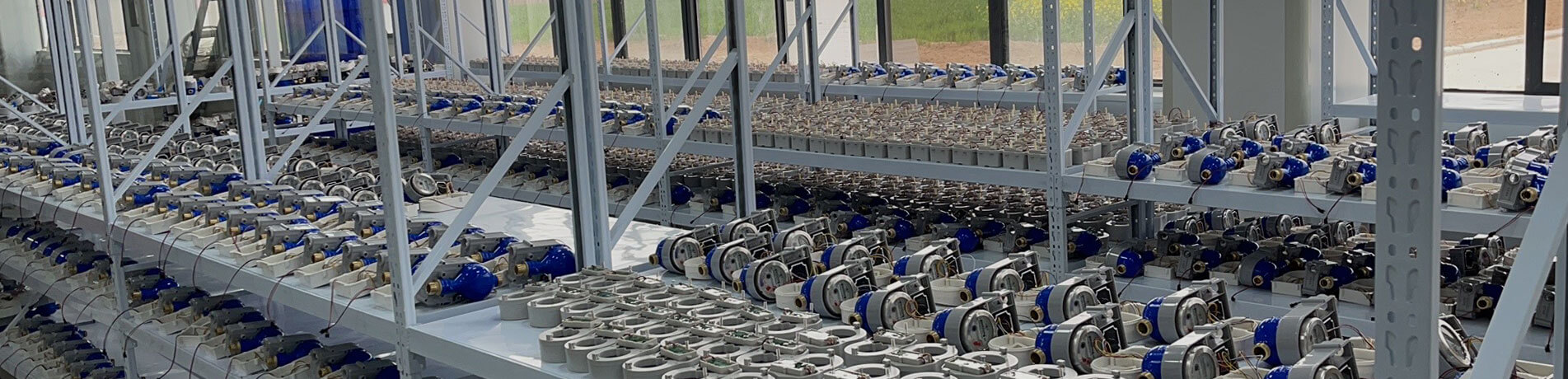
Traditional water metering methods have significant flaws — they’re often inaccurate, costly, and lack scalability. Look, it’s simpler than you think: manual readings lead to billing disputes and wasted resources. Plus, without the integration of edge computing nodes, monitoring is slow and inefficient. By using the lorawan water meter sensor, utilities can acquire precise data-driven insights in real-time, overcoming these challenges. There’s little room for guesswork here, which is a relief for many utilities that have long been troubled by hidden user pain points.
What Are the New Aspirations of Water Management?
As we look to the future, new principles of technology emerge, promising to transform our approach to water management. The advent of the lorawan smart water meter is a leading example of how connectivity can foster change. By leveraging IoT and machine learning, these smart meters provide not only real-time data but also predictive analytics that help prevent leaks. Think about it — with enhanced foresight, utilities can allocate resources more effectively while significantly cutting down operational costs. This shift is not simply about technology; it’s about smarter, sustainable practices that bridge the gap between supply and demand.
Real-World Impact: How Will It Change Us?
The transition to LoRaWAN water metering systems opens avenues for endless possibilities. Cities adopting these technologies report reduced water loss by 30% or more. Isn’t that astounding? With every drop saved, we take a step closer to sustainability. Additional benefits include enhanced customer engagement through mobile applications, giving homeowners control over their usage patterns. As we implement these systems, we face an exciting opportunity to establish partnerships that drive forward innovations in water conservation. The lessons from trial implementations in cities globally show remarkable outcomes that resonate at a personal level — change is happening. And if we continue showing up for the environment, we thrive as a society.
Conclusion: Join the Water Revolution
In reviewing the journey from traditional water metering to embracing smart technology, it’s clear that the future is brighter when utilizing data-driven insights and IoT advancements. As a consumer or utility provider, consider three key evaluation metrics — accuracy, responsiveness, and environmental impact — when choosing your next water solution. These offer quantifiable measures that can lead to smarter decisions and significant resource savings. Reflecting on this, it’s evident that every household and utility has the power to contribute towards sustainable practices. So why not join the trailblazers in changing the landscape of water management? For further exploration of this technology, look into HKT LORA, set to lead the charge towards a water-conscious future.