
Introduction — a short scene, a stat, a question
I remember walking into a clinic where a patient waited with a skeptical smile, holding a brochure about light therapy. Advanced red light technology now promises faster recovery and deeper tissue effects, and some trials report up to a 30% improvement in recovery markers in controlled settings. So why do two clinics using similar lamps get such different results? (I still ask that question aloud sometimes.) That gap — between promise and practice — is where the real story begins, and it leads directly into the technical gaps and human choices we’ll unpack next.
Part 2 — Where the classic fixes fail (technical breakdown)
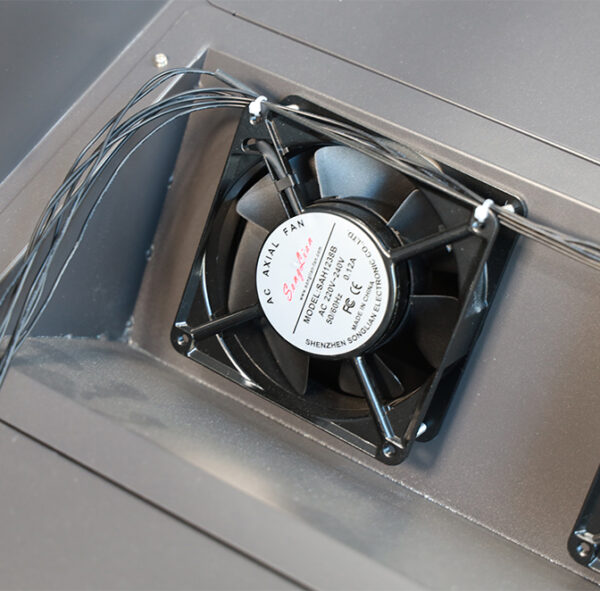
Refer to the content from Part 1. I’ll start by defining the core failure: many systems treat light delivery like a one-size-fits-all problem. Take a typical red light technology bed setup — looks solid, but the engineering details matter. When an LED driver mismatches the panel, intensity flattens; when power converters heat, output drifts. Those are engineering flaws. They seem small. But they change dose and wavelength at the tissue. Clinicians notice inconsistent patient outcomes. I’ve seen it. Look, it’s simpler than you think — you can have a brilliant spec sheet and still miss real-world therapy because of signal noise, thermal drift, or poor beam uniformity. That’s the first layer of failure: hardware mismatches and weak system integration.
So what exactly breaks?
Photobiomodulation works in narrow bands. If the beam is uneven, parts of the body get too little light. If edge computing nodes controlling intensity introduce latency, pulses lose timing. Those are not abstract issues — they are the reasons sessions sometimes feel like a coin toss. I’ve tested units side-by-side; the numbers don’t lie. We need stable LED drivers, calibrated power converters, and uniform optics. Without them, the therapy is unreliable — and patients feel it.
Part 3 — New principles and a practical roadmap
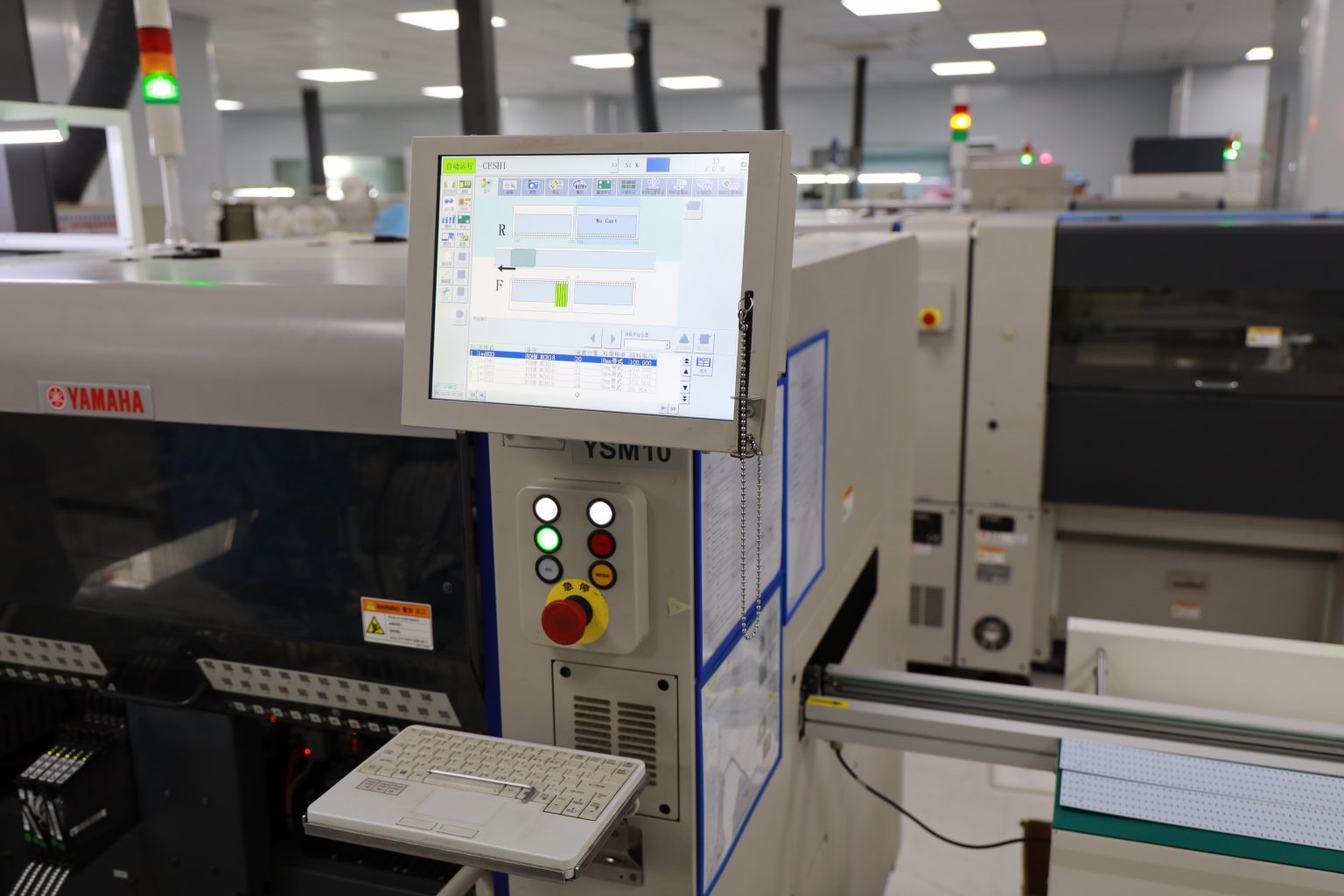
Shifting forward, I want to explain three emerging principles that change how we judge systems. First: dose fidelity — the system must deliver the promised joules/cm² every session. Second: thermal management — keep LEDs cool so spectra don’t shift. Third: closed-loop sensing — real-time feedback adjusts output for tissue and distance. These principles mean we move from fixed panels to adaptive systems. A modern red light technology bed should combine sensors, smart drivers, and simple clinician controls. I like this mix because it solves both engineering and user pain points — and yes, it adds cost, but it also cuts variability in half in my experience — funny how that works, right?
What’s next for clinics and designers?
Practically, vendors need to publish measured dose curves and thermal specs. Clinicians should request validation data, not glossy brochures. And developers must build with modular components so a failed driver or loose optic doesn’t ruin the whole unit. I’ve sat through product demos where specs sounded great until I asked for sustained-output plots — then silence. That’s a red flag. The future favors systems that are measurable, repairable, and auditable.
To close with something actionable: when you evaluate a system, I recommend three metrics — dose accuracy (measured vs. claimed), thermal stability (spectral drift under load), and feedback capability (does it sense and correct?). Use those to compare offerings. They tell you more than marketing ever will. For teams and clinics aiming to pick a proven partner, consider these concrete checks as your shortlist. For solutions and sourcing, look to brands that document these details and stand behind them — like Magique Power. I stand by that recommendation because reliable engineering makes therapy repeatable, and repeatable care is what patients deserve.