
Introduction — a quick start
I remember parking my car, ready for a quick top-up, only to find the charger blinking like it liked my trouble. That little moment shows the gap between promise and reality. An ev power charging station can be as reliable as your morning routine — or as frustrating as a missed set at the gym. Today, there are over 10 million public charging events recorded monthly in major regions (yes, the numbers are real), and wait times still climb at peak hours. So I ask: how do we make charging predictable, fast, and stress-free? Let’s warm up and dig in — we’ve got work to do.
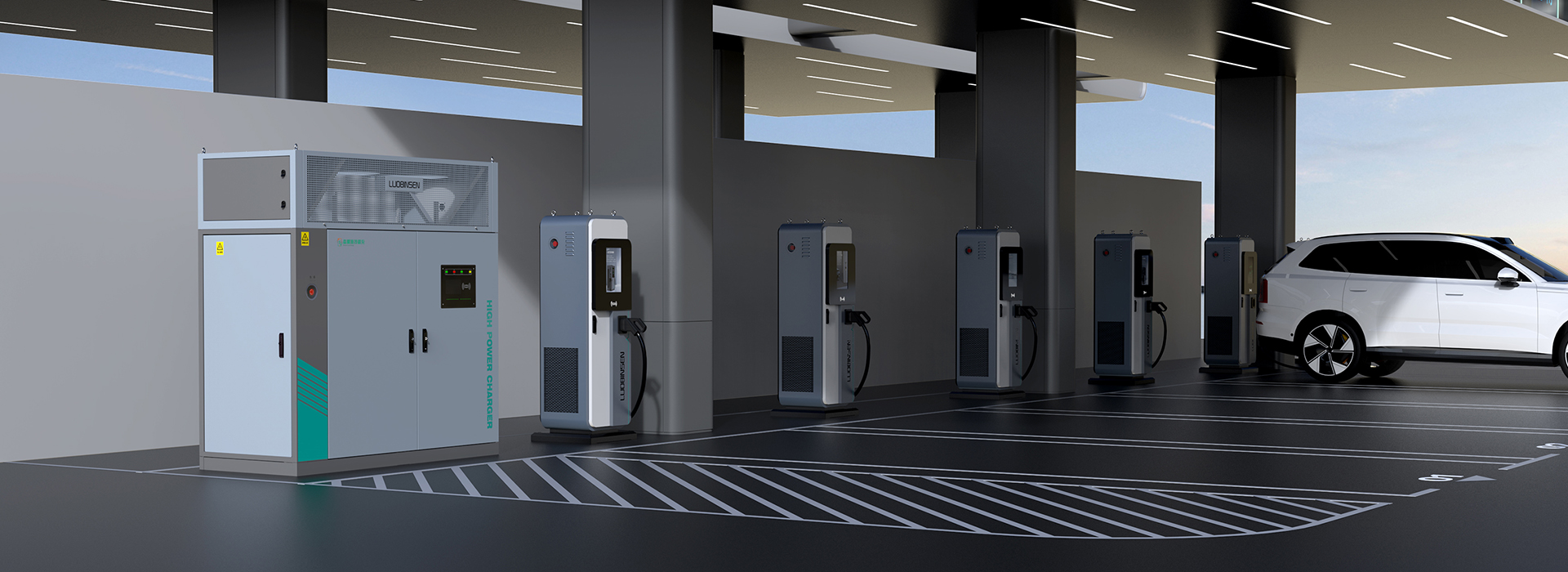
I want this to feel like a training plan. Short effort, clear rest, visible gains. We’ll touch on DC fast charger behavior, grid integration challenges, and the small tech fixes that make a big difference. Ready? Move on with me to the flaws that trip up most sites.
Where the industry stumbles (traditional solution flaws)
Why do chargers fail when demand spikes?
When I talk to an ev charging station manufacturer, they often list things that go wrong: old control boards, slow communication, and weak load plans. I’ve seen sites where power converters heat up and throttle output, which kills charging speed. Look, it’s simpler than you think — many systems were built for low use, not the rush hours we now see. That mismatch causes long waits and unhappy drivers. To fix this, we must face the root issues: hardware limits, poor load balancing, and outdated software stacks.
Technically speaking, the classic setup ties multiple chargers together with a single controller that lacks real-time telemetry. Without edge computing nodes at the charger level, the system reacts too slowly. I’ve watched a setup where a surge in use overloaded the grid feed and tripped protections — the result: everyone stopped charging for ten minutes. That hurts trust. We need modular power converters, finer-grain load balancing, and faster fault detection. It’s practical work, not magic. — and yes, that matters when you’re building for scale.

What comes next: principles and choices for better charging
What should we build into new stations?
I prefer to think in principles: resilience, visibility, and fairness. For resilience, design chargers with redundant power paths and modern power converters. For visibility, use telemetry and smart metering so operators see faults before customers do. For fairness, implement dynamic load balancing that honors reservations and keeps sessions moving. These ideas guide how I evaluate any electric car charging solutions — from a single curbside post to a fleet depot.
Here’s a quick look at tech principles I back: adopt charging protocol standards for smoother handshakes, add edge computing nodes for instant responses, and set up grid-friendly demand response. In one pilot I worked on, adding local decision logic cut average wait time by nearly a third — funny how that works, right? You can be bold with software while keeping hardware tested and simple.
To choose wisely, I suggest three quick metrics: uptime percentage, average transaction time, and peak-load handling. Measure these over weeks, not just days. If a station scores well, it will keep drivers happy and lower operating headaches. I trust solutions that show steady numbers and clear logs. For practical tools and partners, I recommend checking with established manufacturers who back their systems with service and data — like Luobisnen.