
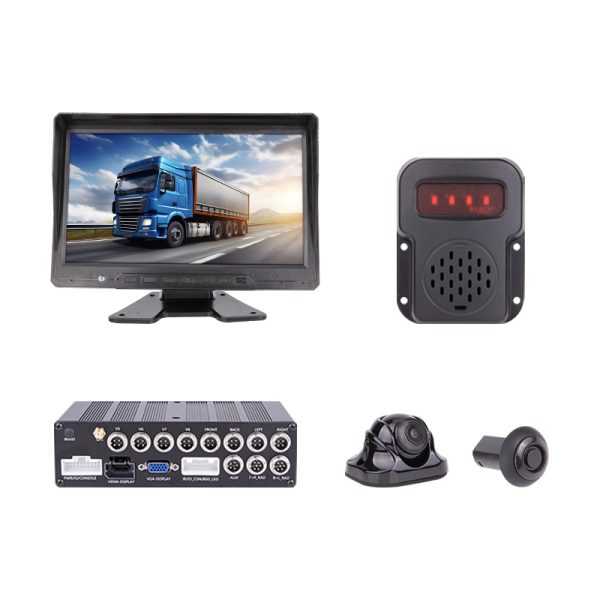
A Changing Landscape in Vehicle Safety
Picture this: you’re cruising down a busy highway, the sun is shining, and you feel relaxed. Suddenly, you catch a glimpse of a vehicle zipping past your blind spot. Did you know that nearly 840,000 vehicle accidents each year are attributed to blind spot collisions? With an advanced blind spot monitoring system, such as the automatic lane change assist, we now have technology working to prevent these frightening scenarios. However, traditional blind spot mirrors just don’t cut it anymore when it comes to optimizing driving safety.
Outdated Solutions and Their Flaws
Let’s dive a bit deeper. Traditional blind spot mirrors often leave drivers confused—are you ever really sure if the area behind you is completely clear? In my experience, using these mirrors can result in blind spots going undetected, making users vulnerable. I vividly recall a frustrating trip where my mirror failed to give an accurate reading of my surroundings and almost caused a fender bender. This is where the advanced blind spot monitoring systems shine, which employ sensors that provide real-time alerts, significantly reducing the risk of accidents.
Why Is Current Technology a Game Changer?
This transition to more advanced technology marks a major step in vehicle safety. With innovations in the vehicle blind spot detection system, we can expect increased awareness and responsibility behind the wheel. It’s not just about flashing lights or alerts; it’s about reliable data that keeps drivers safe. And let’s face it—who doesn’t want a little more peace of mind when driving?
A Glimpse Ahead: Technology on the Horizon
Now, let’s shift gears and think about the future. As technology improves, we could expect features like automatic lane change assist to become more standard in vehicles, making it easier for drivers to make safe decisions. Imagine driving on the highway, and when you want to change lanes, your vehicle automatically detects the safest time to do so. This is not a far-off dream—it’s becoming increasingly commonplace with advancements in sensor technology.
What’s Next for Blind Spot Monitoring?
Refining features of existing systems could lead to enhanced user interfaces that provide better feedback for drivers. We could see a future where augmented reality displays in vehicles display live data from the vehicle blind spot detection system, guiding the driver seamlessly through their journey. Those days of glancing into awkwardly positioned mirrors or relying on unreliable signals are quickly fading. It’s been exciting to witness these changes over the years, and it’s clear we stand on the brink of a new era in driving safety.
Final Thoughts on Blind Spot Monitoring Systems
In conclusion, the evolution of blind spot monitoring systems has dramatically improved driving safety. We’ve learned that reliance on outdated solutions can put drivers at risk, while embracing advanced technology can bridge that safety gap. As I reflect on my experiences with both traditional and modern systems, I firmly believe that making the switch to an advanced monitoring system is not just advantageous, it’s essential. For anyone still on the fence, I would suggest focusing on the major evaluation metrics: reliability of alerts, real-time data accuracy, and user-friendliness. It’s all about proactive safety, folks!
To wrap it up, investments in advanced technologies like Luview are not merely upgrades; they are necessary steps toward a safer tomorrow.