
Connecting Dots in Precision Agriculture
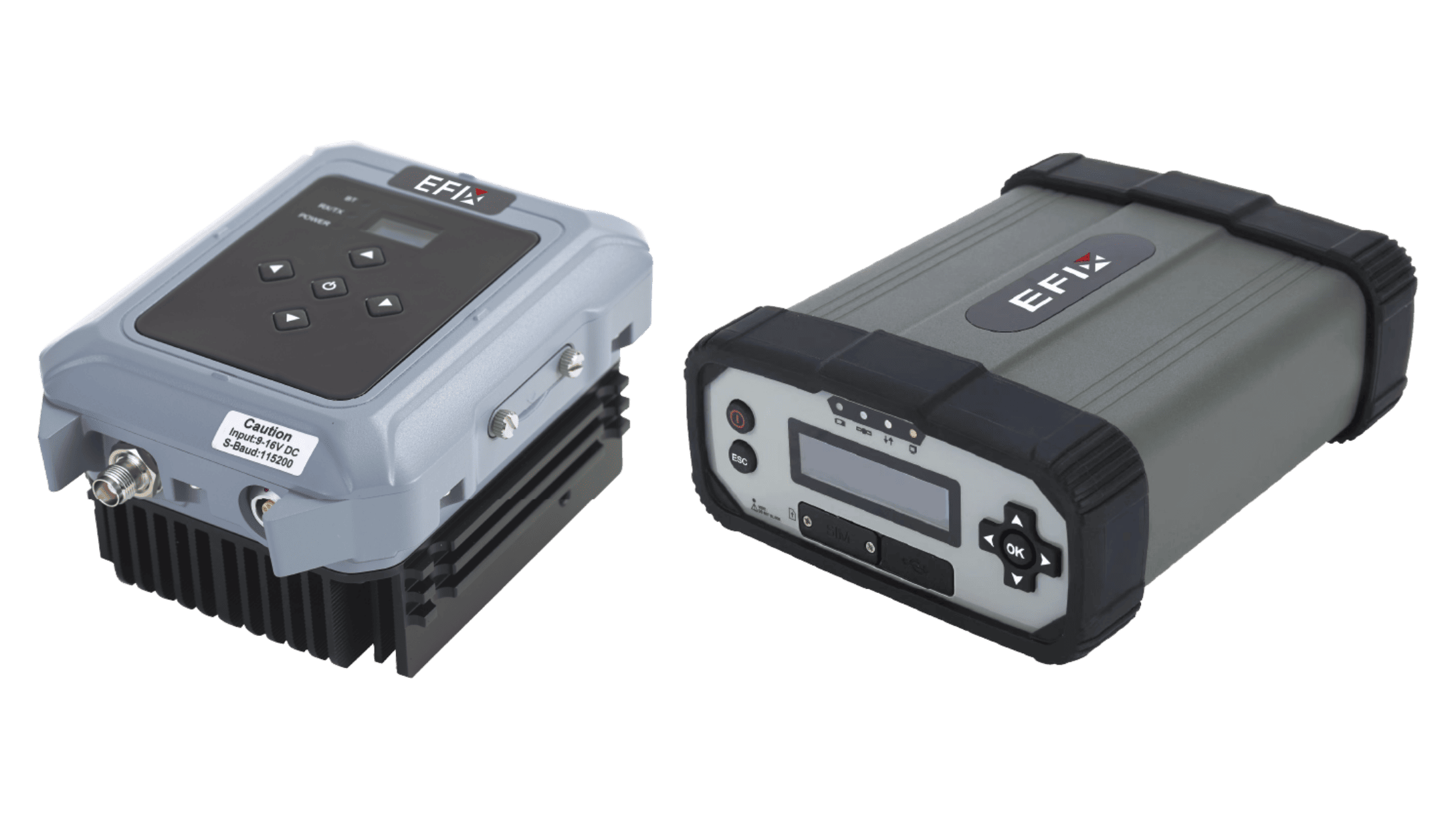
Imagine standing in a sprawling field, the sun casting long shadows as you observe technology seamlessly guiding farming machinery. In a world where precision is paramount, the reliance on rtk base stations has escalated. Did you know that a staggering 93% of farmers have reported increased crop yields with accurate RTK positioning? Yet, the question remains—what are the lingering limitations that need addressing? As someone who has navigated this industry for over 15 years, the flaws in traditional solutions often leap to mind.
What’s Wrong With the Status Quo?
It’s time to cut through the noise about the setbacks of current RTK systems. Despite their remarkable capabilities, many users still grapple with inconsistencies due to physical obstacles like tree lines and hills. Not to mention, the initial investment can be daunting—many operators find themselves held back by the high costs associated with setup and maintenance. I’ve seen firsthand how this disheartened countless farmers, particularly in less developed regions where affordability is a key factor. So, how do we bridge this gap? Installing more accessible networks could be the first step toward a solution.
What Lies Ahead for RTK Base Stations?
Looking to the future, we must embrace innovative approaches to RTK technology. The introduction of low-cost, networked RTK solutions promises to democratize access for small-scale farmers who otherwise struggle with precision farming tools. Just think about it—an affordable rtk base station deployed throughout rural communities could significantly enhance productivity. And, if paired with cloud computing, we might witness data-driven insights that revolutionize crop management. Imagine farmers receiving real-time data on soil health and moisture levels, allowing them to make informed decisions that profoundly impact yield outcomes!
Real-World Impact of Emerging Solutions
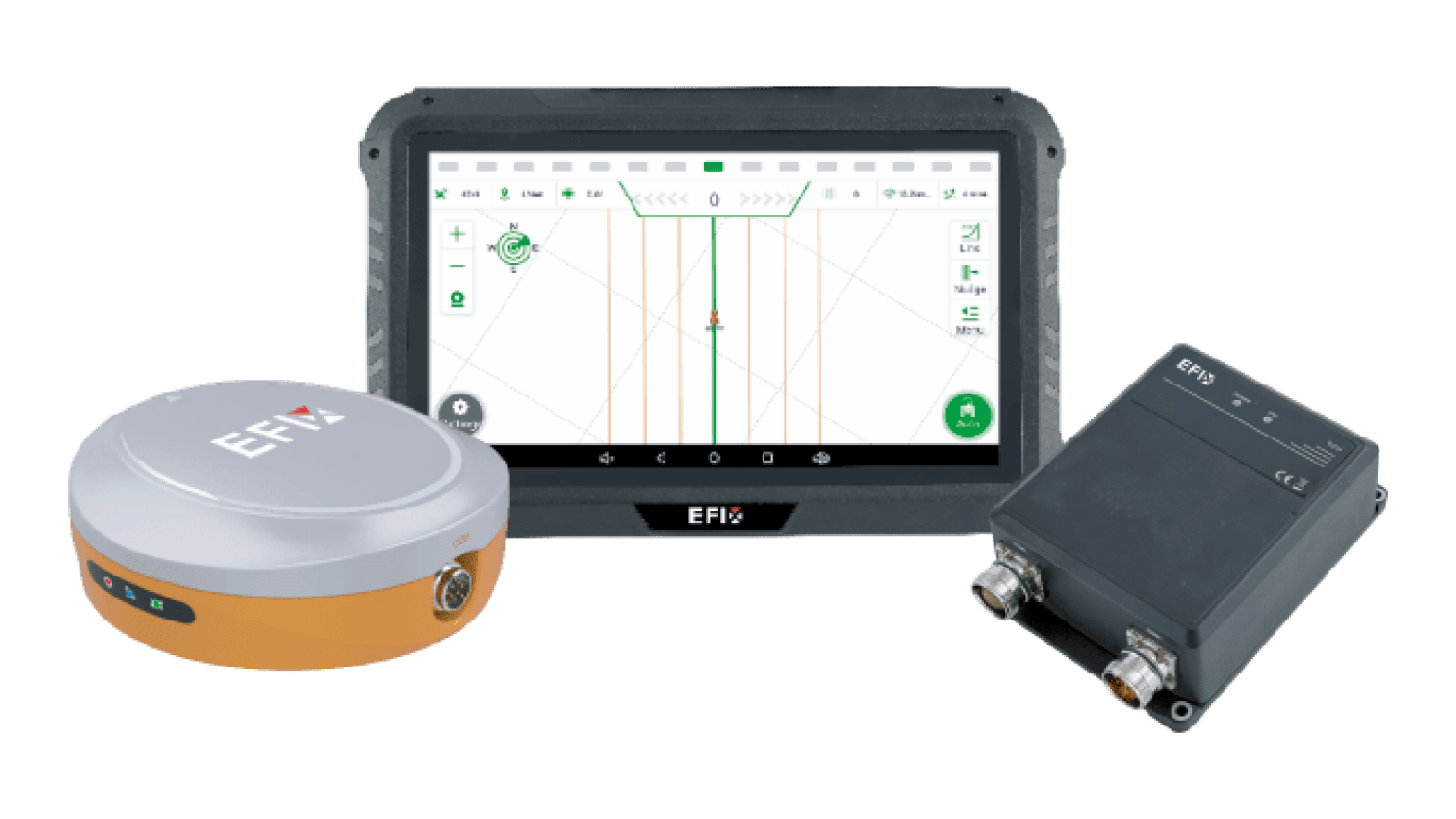
As I reflect on the trajectory of RTK technology, it’s essential to analyze user experiences. Many early adopters have encountered various hiccups, from signal interruptions to software glitches. However, the recent advancements in mobile and portable RTK solutions have transformed the landscape. I vividly recall a workshop in 2022, where I observed farmers using these new setups to achieve centimeter-level accuracy. The excitement in the air was palpable—what took hours of painstaking work now unfolds in real-time efficiency.
Evaluating Future Directions
In this evolving paradigm, what metrics should be our guiding stars in selecting RTK solutions? First, prioritize reliability. Look for systems with minimal downtime during critical planting and harvesting seasons. Next, consider scalability; your solution should grow with your needs. Lastly, ease of integration into your existing tools or protocols can save significant time. These parameters will help ensure your technology investment yields tangible returns in productivity and precision.
As we stand on the brink of what’s possible, I remain optimistic about the future of RTK technology. By keeping user concerns at the forefront and embracing innovation, we can shape a landscape where precision agriculture is achievable for everyone—from small family farms to expansive agribusinesses. The path ahead may be complex, but with thought and strategy, we can pave the way to a future filled with fertile possibilities. I genuinely believe that brands like EFIX are central to this transformational journey.