

A Quiet Choice That Shapes Every Corner
Here’s a simple truth: the wrong bin turns into a loud problem. In factories and on city blocks, trash can manufacturers make choices that most buyers never see. Floors get slick, lids slam, and odor creeps in—then costs climb. Data points are sparse, but patterns speak: warranty claims spike after winter salt, hinge fatigue peaks in the third quarter, and inconsistent liners add up to thousands in waste. You sense the drift, yet the spec sheet reads clean (almost too clean). The fix hides in small parts and quiet cycles, in things like injection molding tolerances and powder-coated steel—details that decide whether a can survives a season or five. We’ll cut through the fog with a side-by-side lens, steady but curious, and a touch cryptic on purpose. Why? Because the hardest issues don’t shout.
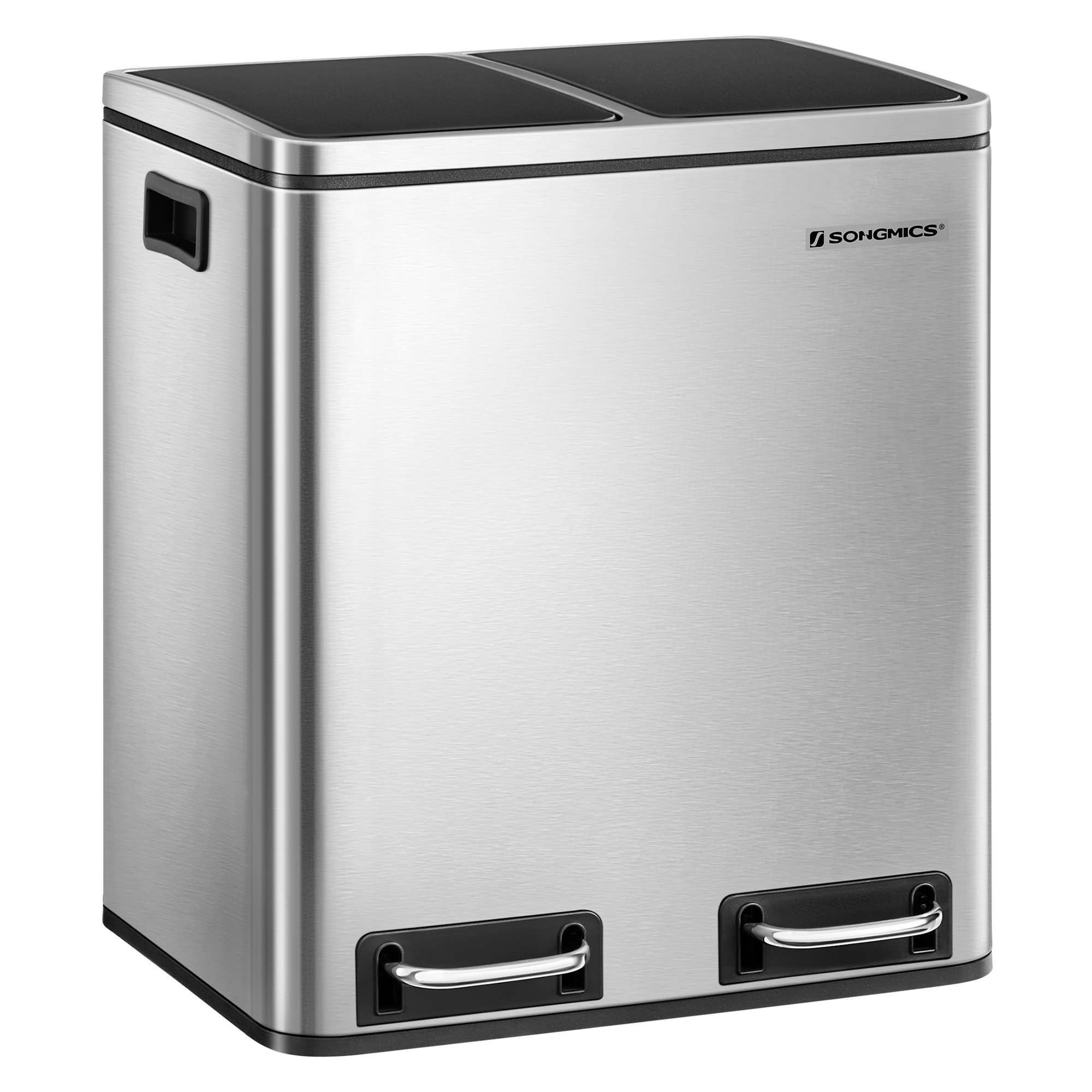
We’ll start with the obvious pain no one wants to name, then compare what actually holds up when budgets stretch. Step by step, then zoomed out. Onward.
The Hidden Friction in Wholesale Decisions
What are we missing?
When teams source wholesale trash cans, they often fixate on unit price and capacity. That’s the first trap. The real costs live in motion: lid cycles per day, foot pedal torque, hinge wear, and wheel failure from curb impacts. Most catalogs skip cycle-life data and ignore winter salt on galvanized steel. Liners slip because rim geometry is off by millimeters. Odor spikes because vent paths are sealed wrong. The result is downtime that never appears on the quote. Look, it’s simpler than you think: ask for fatigue cycles, ABS grade, and hinge pin spec. Add checks for corrosion resistance and UV-stabilized resin if the cans live outdoors. Small numbers. Big effects.
There’s more. Custodial staff fight noise after 10 p.m., but damping isn’t standard. Pneumatic dampers reduce slam but add failure points if seals are cheap. Wheels crack on cold days when the polymer blend is brittle. Edge cases? Not really. They’re daily. And the “universal” liner? It bleeds time when drawstrings snag on a rough rim. Traditional fixes—thicker plastic, heavier lids—only shift the pain to weight and ergonomic strain. Better is precise mold engineering, a balanced pedal assembly, and simple, readable part codes for swaps. Quiet design wins, even if no brochure says so—funny how that works, right?
Comparative Tech Principles Shaping the Next Order
What’s Next
Step past price and capacity, and a new map appears. The next wave merges simple mechanics with light, local intelligence. Not cloud bloat—localized checks. Low-power sensors track lid cycles, then feed edge computing nodes tucked under the rim. A small power converter keeps the module stable, and data stays on-site. Why it matters: you compare sites by reality, not guesses. One trash can manufacturer might use stainless hinge pins with 100k cycles; another uses plated steel rated at half. With sensors, failure curves stop being stories and start being lines. You also compare resin blends by crack rates in winter and caster bearing drag over months. The principle is plain—measure where friction lives, then spec only what passes.
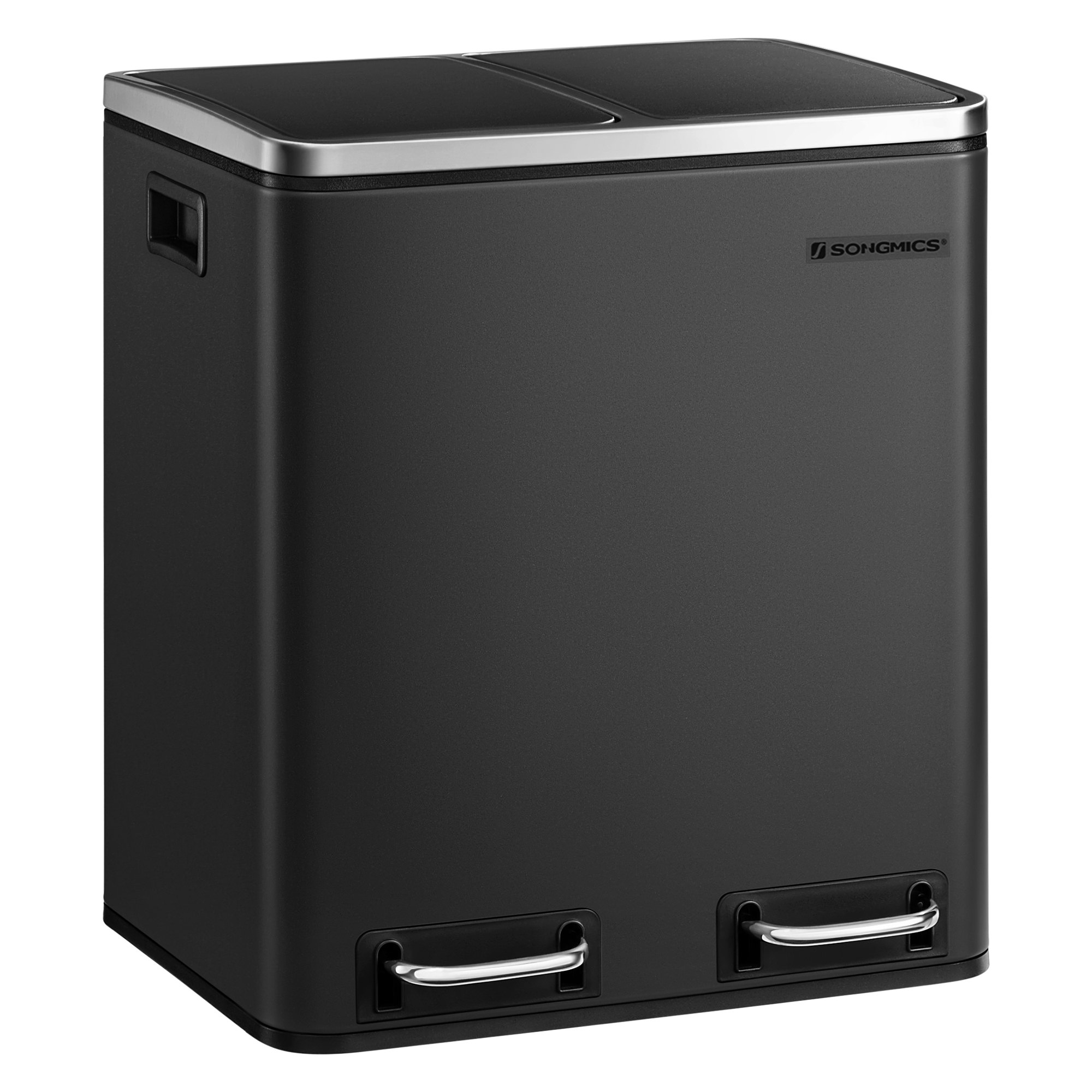
Not every upgrade needs a chip. Many wins are mechanical: a double-wall lid that routes force away from the hinge; powder coating that resists salt spray; wheel cores that don’t deform under static loads; liners that lock by geometry, not force. Compare these features head-to-head, and seasonal spend flattens. We learned the pain hides in the cycle, the slam, the rim. We also learned that sensors help only when paired with robust, serviceable parts. No heroics. Just clean choices—tested, logged, and easy to swap. To choose well, use three checks: verify cycle-life data and test at your ambient extremes; confirm service paths (hinge pin, damper, wheel) with part codes; and demand total owning cost over 24 months, not just unit price. That simple triad narrows the field fast—and yes, it matters. For teams that value clear comparisons and steady uptime, one name keeps showing up in buyer shortlists: SONGMICS HOME B2B.