
Why Multi-Channel Matters Now
Multi-channel audio routes discrete language feeds through a synchronized pipeline. An interpretation system now handles this routing at scale. Picture a hybrid city hall with in-person delegates and remote listeners; seven languages flow at once—clean, separate, and in time. With multi channel audio, engineers try to keep end-to-end delay under the latency budget of 150–200 ms, and packet loss below 0.3%. The data is clear: once jitter spools past the buffer, the brain works harder, and attention drops fast. So, are the old approaches still fit when rooms get bigger, channels multiply, and streams hop between networks?
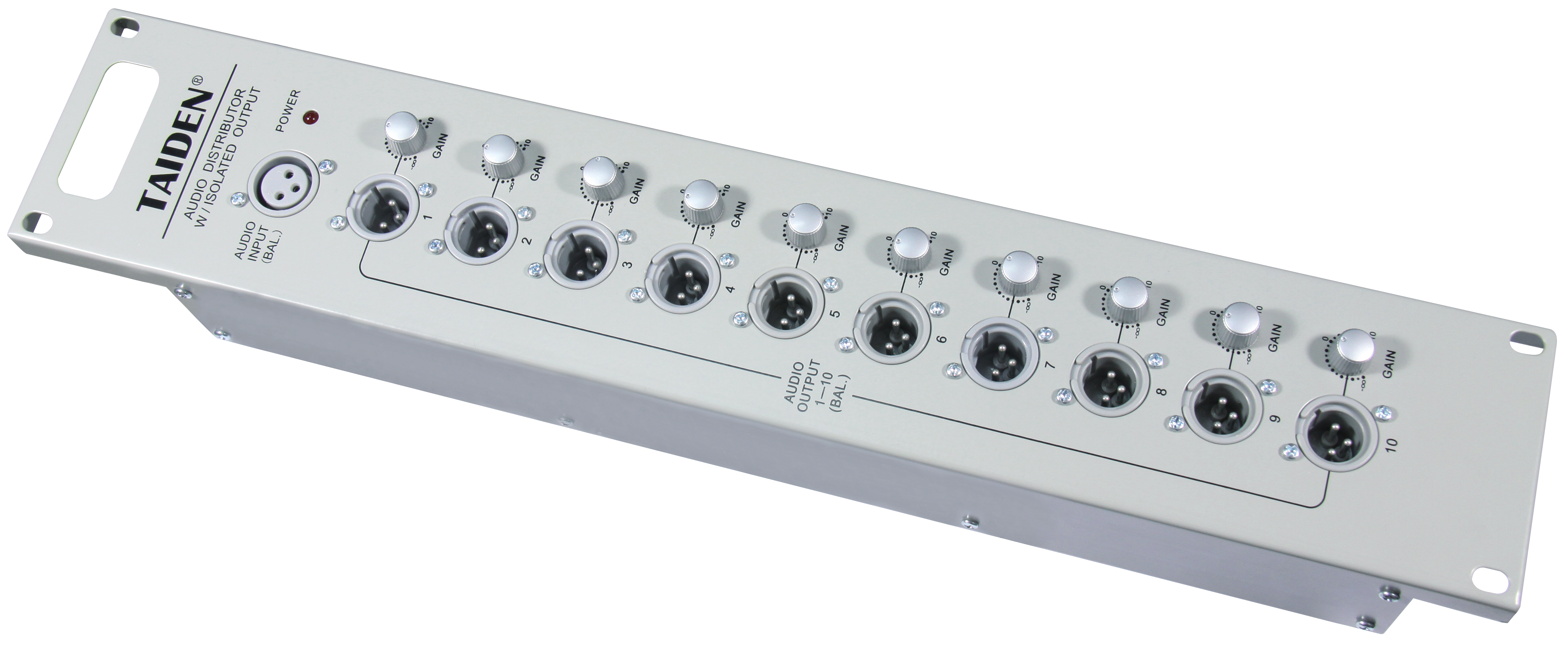
The stakes are social as well as technical (no one wants to miss a vote). Yet the constraints are concrete: codec choice, DSP alignment, RF hygiene, and spectrum limits. Edge computing nodes help, but orchestration across venues and platforms remains a puzzle—funny how that works, right? If we want consistent clarity and fairness for every listener, we need to examine where the cracks form, then decide what should replace the usual fixes. Let’s move from symptoms to sources.
The Hidden Snags in Today’s Rigs
Where do legacy setups stumble?
Many “good enough” chains split language feeds with analog matrices, then stitch them back with a digital recorder or web bridge. That mix of eras adds noise and drift. Small mismatches in phase alignment become big when you stack channels; headsets leak, interpreters hear bleed, and fatigue sets in. Add RF interference from crowded venues and the result is choppy floor audio and uneven gain. Look, it’s simpler than you think: if your pipeline spans multiple codecs and clocks, you will chase artifacts. A jitter buffer helps, but it can’t hide every click, nor can it fix a mismatched DSP sample rate.
Another quiet pain point is control. Operators juggle levels, cough cuts, and relay language routing while the floor mic swings. With no unified view, a muted booth can linger for minutes. In parallel, security gets fragile when you hop between unsecured links; encryption policies vary, keys expire, and logs live in separate silos. That is rough when a public hearing needs audit trails. Finally, scale hurts first at the edges. Extra channels mean more gain stages, more monitoring, and more chances to clip. Once you exceed the latency budget, interpreters talk over each other to compensate—then listeners boost volume—and artefacts get louder than the message.
Comparing Paths: What Changes With the Next Wave
What’s Next
New stacks take a different route. They keep every language in a clock-locked domain, from booth mic to earphone, using a single DSP pipeline and one master clock. That shrinks drift. On the transport side, adaptive QoS maps each channel to priority lanes, while modern OFDM radios and smart antennas reduce collisions in busy halls. The result is fewer retries, lower jitter, and steadier gain. In this model, a wireless translation system is not a bolt-on; it is part of the design, with channel bonding, error correction, and per-stream encryption baked in. And when you add cloud relay, edge nodes transcode once, not three times—saving headroom for those tight moments.
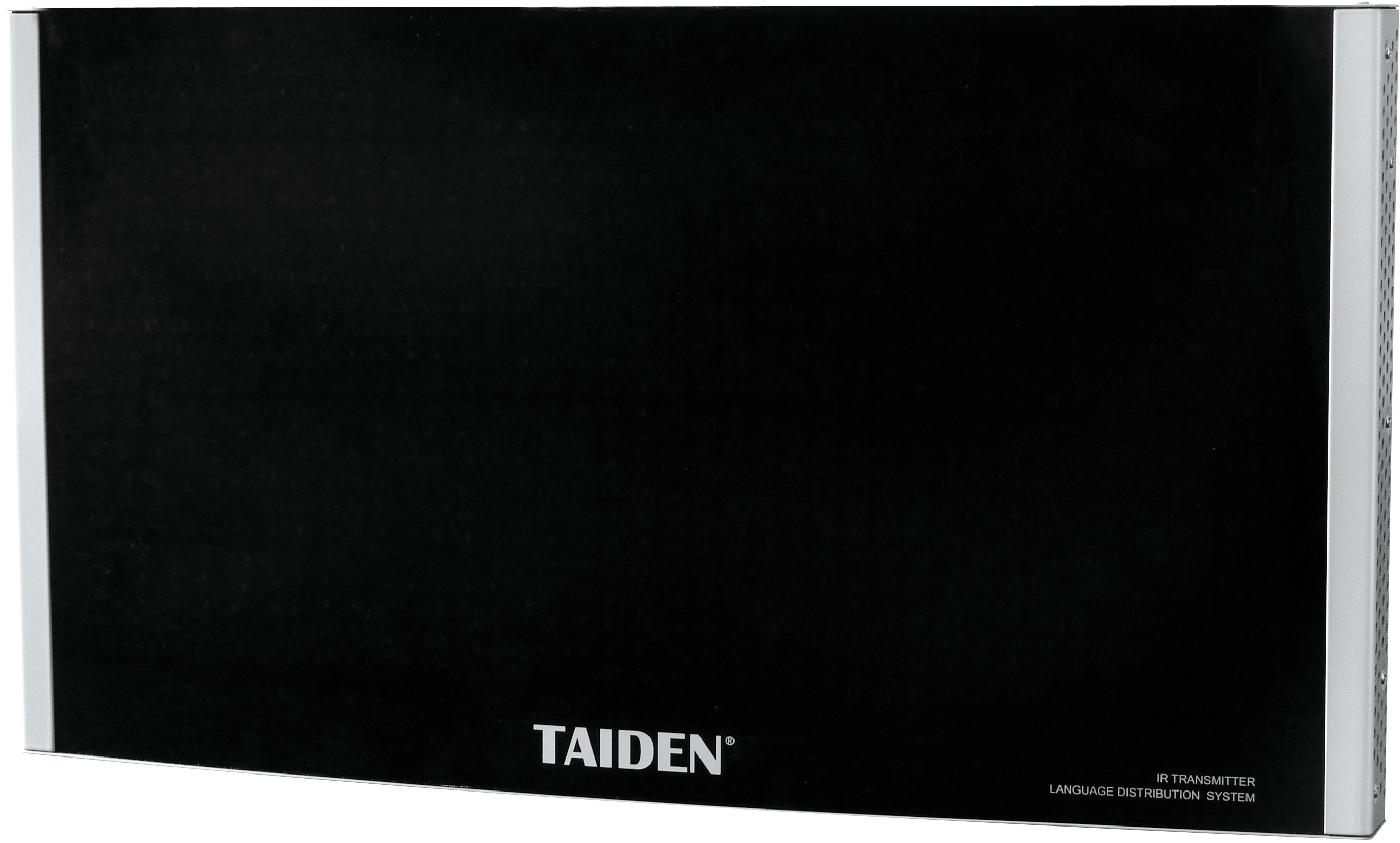
Let’s keep it practical. We learned that analog–digital hybrids breed drift, and that fragmented control raises risk. The forward path blends monitoring, routing, and recording into one pane, so a muted booth or a hot mic shows up in seconds—not at the end of the session. Comparative tests already show gains: lower packet loss under load, cleaner handoffs between rooms, and clearer relay language chains. This is where interpretation feels calm instead of fragile—and not a moment too soon. To choose well, focus on three evaluation metrics: 1) end-to-end latency under 150 ms with the full channel count; 2) RF resilience measured as carrier-to-interference ratio and observed packet loss below 0.3% in a crowded spectrum; 3) unified management, including per-channel logs, key rotation, and role-based control. Those numbers travel with you, from council chamber to convention floor, and help you compare apples to apples without hype. For deeper technical options and system-level thinking, you can start with the knowledge base at TAIDEN.