
Introduction — Why this comparison matters to labs today
Have you ever paused and wondered why a day of sample prep still eats half your schedule? I have, and that question drives how I evaluate lab tools. The automated nucleic acid extraction workstation sits on many bench tops now; it promises speed, repeatability, and less human error. Recent datasets show turnaround times falling by 30–60% in some workflows when automation is used, but those are averages — not guarantees (and that’s where confusion begins). What works in a high-throughput diagnostic lab may fail in a small research group. So which trade-offs really matter: speed, consumable cost, or software integration?
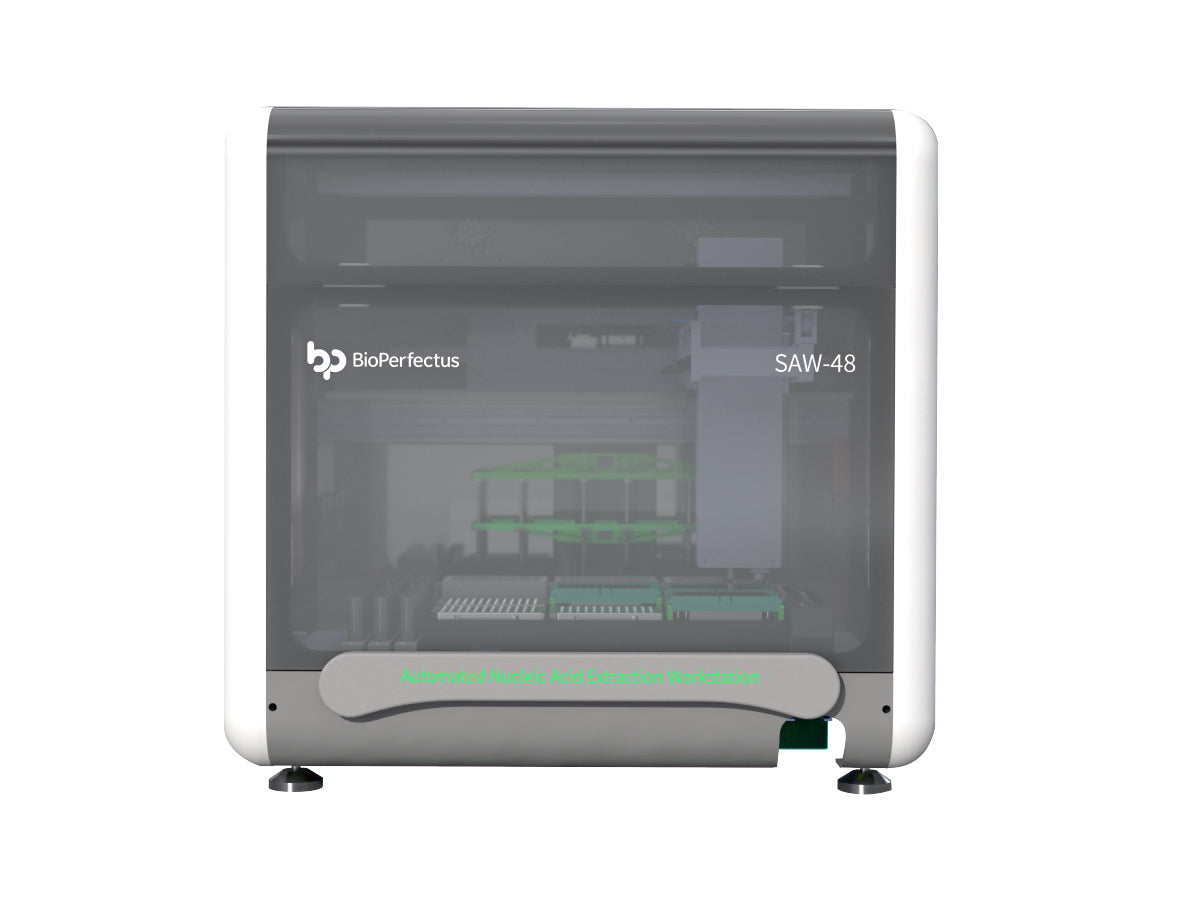
I write from hands-on experience; I’ve run shifts where a single error in pipetting wasted an entire plate. I want to give you clear comparisons so you avoid that hit. Below I will map common pain points, dig into why legacy methods still leak time and money, and then point to practical ways to choose a system that fits your operation. Let’s move from the question to usable answers.
Part 2 — Where standard approaches break down (a technical look)
nucleic acid extraction workstation often replaces manual spin columns and multi-step pipetting, but the shift is not always smooth. I see three recurring technical flaws: fragile sample tracking, inconsistent magnetic bead handling, and hidden consumable costs. These issues crop up because many systems optimize for throughput without matching real-world variability in clinical or field samples. The mechanical design can be excellent, yet the software falls short: limited LIMS integration, clunky error logs, poor barcode handling. When systems can’t talk to your lab information system, you still end up with manual checks. Look, it’s simpler than you think — start by testing integration with one sample type first.
Another technical fault is reagent and buffer handling. Lysis buffer compatibility and consumable geometry matter. A robot that assumes uniform viscosity or ideal bead behavior will fail when a sample is turbid or fatty. Pipetting accuracy and tip-wetness behavior — yes, basic pipetting physics — can cause sample loss or cross-contamination. I’ve seen power converters fail mid-run in small labs during summer load peaks, and that cascade ruins a whole plate. So test under stress conditions. Run worst-case scenarios: high cell load, low template, and non-standard volumes. It will reveal limits quickly. — funny how that works, right?
How do users actually suffer?
Aside from equipment faults, user pain is often procedural: operators get overwhelmed by error states, supplies are hard to source, and maintenance windows are unpredictable. These are not glamorous topics, but they are where projects stall. I recommend documenting three typical failure modes at your site before buying: software mismatch, consumable supply chain gaps, and maintenance downtime. That prep saves time and budget later.
Part 3 — Looking ahead: how to choose and what to watch for
What’s next is not a single gadget; it’s an ecosystem shift. I expect future workstations to emphasize modularity, better software APIs, and smarter consumable tracking. For now, when I compare options I look at the core principles: closed-path magnetic bead chemistry, robust error handling, and clear LIMS hooks. A practical trial with your real samples will always reveal more than spec sheets. Try one full run from sample receipt to elution under your busiest conditions — then repeat with a different operator. You’ll see the human factors quickly.
Case in point: a mid-sized lab I advised swapped to a bench-scale automated unit and reduced hands-on time by half. But they only saw that benefit after tuning the lysis step and retraining staff on pipetting technique for viscous samples. That step required a small protocol tweak — not a full instrument overhaul. So when vendors claim plug-and-play, ask for a stress test. And yes, plan for consumables and spare parts lead times — I learned that the hard way.
Three metrics I use when evaluating systems
To make the choice actionable, I use three key evaluation metrics: (1) True throughput under your worst-case samples — not ideal media; (2) Integration score — how well the system links with LIMS, barcode readers, and downstream PCR setup; (3) Total cost of ownership — including consumables, service contracts, and expected downtime. Run a simple scoring sheet for each vendor and weight the metrics to your priorities. This makes procurement objective and repeatable.
In closing, I believe the right automated platform balances mechanical reliability, intelligent software, and supply chain reality. If you ask vendors the right questions and test under pressure, you can avoid common traps and choose a tool that genuinely saves time and improves data quality. For vendor support and options, I look at providers like BPLabLine for reference — they often publish clear integration guides and spare-part lists that help during selection. I hope these notes help you pick wisely; I’ll be happy to walk through your lab’s use case if you want to dig deeper.