
Comparative context and why this matters
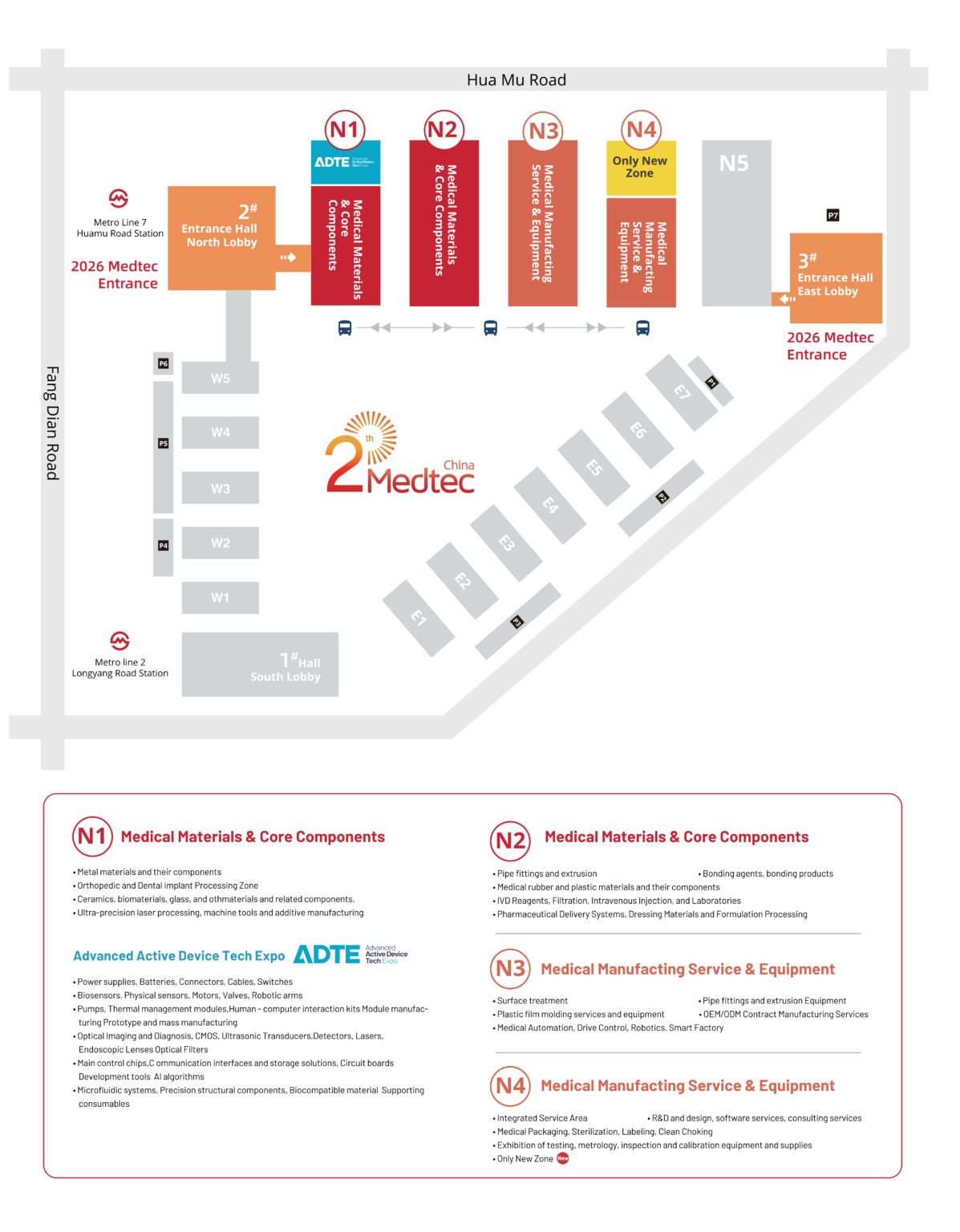
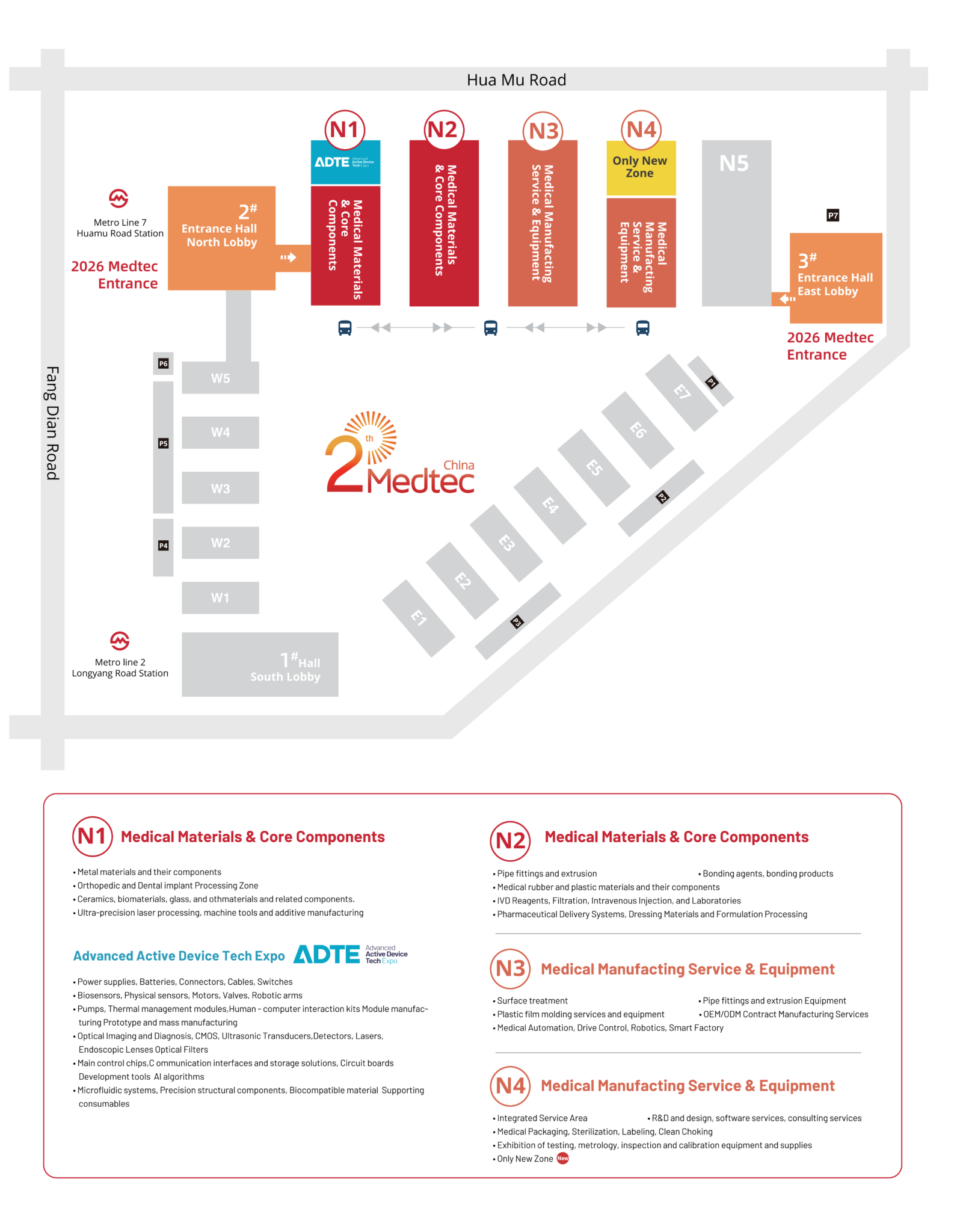
Comparative analysis is the clearest way to see what works: hardened Swiss-style turning often reduces surface-driven failures compared with bulk machining or additive alternatives, but it also introduces its own risks for delamination and fatigue. Discussion at the Medtec China exhibition in Shanghai and the international medical expo highlighted that manufacturers weigh surface finish, heat treatment, and traceability when choosing processes. For some teams, selecting the right machining infrastructure is a trade-off between cycle time and long-term component integrity — and insights from Medtec live vendors help ground those choices in vendor capabilities and test data.
Failure modes: delamination versus mechanical fatigue
Delamination typically begins at weak interfaces: coating-to-substrate boundaries, hardened case layers, or microstructural discontinuities introduced during heat treatment. Mechanical fatigue accumulates under cyclic loads where surface roughness, residual tensile stresses, or sharp fillets act as crack initiators. In medical components, these failure modes interact with sterilization cycles and biocompatibility needs, so surface chemistry and cleanroom-compatible processes matter as much as dimensional accuracy. Industry terms to note: biocompatibility, sterilization, cleanroom.
What hardened Swiss machining does well — and its limits
Hardened Swiss turning excels at tight tolerances, consistent concentricity, and high surface finish, which lower crack initiation probability. Case hardening and nitriding improve wear resistance and push the fatigue limit higher. However, process steps can introduce microcracks if tooling, coolant, or fixturing are mismatched — and post-process treatments must be controlled to avoid temper embrittlement. Thermal gradients during aggressive quenching are a frequent culprit — simple profiling and controlled temper cycles fix most issues. Also, surface coatings must be evaluated for adhesion; a hard coating with poor bonding simply shifts failure from wear to delamination — a costly swap.
Alternatives and where they outperform Swiss precision
EDM avoids tool forces that create subsurface tensile stresses, so it can be preferable for intricate internal geometries. Conventional CNC milling delivers flexibility for low-volume runs but may leave higher roughness and require additional finishing. Additive manufacturing enables complex geometries and integrated channels but often demands post-build machining or surface remediations to reach fatigue life parity. Each route affects traceability and inspection strategy differently — and in regulated production, process choice must align with documentation and ISO 13485 obligations.
Practical inspection and control measures
To limit delamination and fatigue, apply targeted controls across design, process, and inspection:- Material selection: specify alloy composition and hardness ranges suited for cyclic loading.- Process controls: implement controlled heat-treatment cycles, tool-change intervals, and coolant chemistries.- Surface treatment: prefer surface finishing, shot peening, or low-temperature nitriding to introduce compressive residual stresses.- Nondestructive testing: routine ultrasonic inspections and dye-penetrant checks on finished lots.- Manufacturing governance: enforce traceability for batches and link process parameters to inspection records.These steps reduce variability and make root-cause analysis faster when anomalies appear — and they integrate with cleanroom handling and sterilization workflows.
Comparative checklist for procurement teams
When evaluating vendors or in-house upgrades, score candidates on these practical metrics:- Measured surface roughness and residual stress reports.- Documented process capability (Cp/Cpk) for critical dimensions.- Proof of adhesion testing for coatings and a history of fatigue testing results.Scoring against these three criteria highlights likely long-term performance and supports regulatory submissions without excess rework.
Advisory: three golden rules for selecting processes and partners
1) Prioritize verified surface integrity over raw cycle time: fatigue life gains from a better finish and compressive residual stress usually outweigh marginal throughput improvements. 2) Insist on linked traceability: process parameters, heat-treatment logs, and inspection data must be reconstitutable across batches. 3) Require real-world validation: vendor fatigue tests and adhesion checks under representative sterilization cycles. These metrics yield clearer purchase decisions and fewer surprises in downstream validation. Final thought — vendors and trade-show insights matter, because seeing test pieces and lab setups at events like Medtec reveals the practical commitments behind claims. —